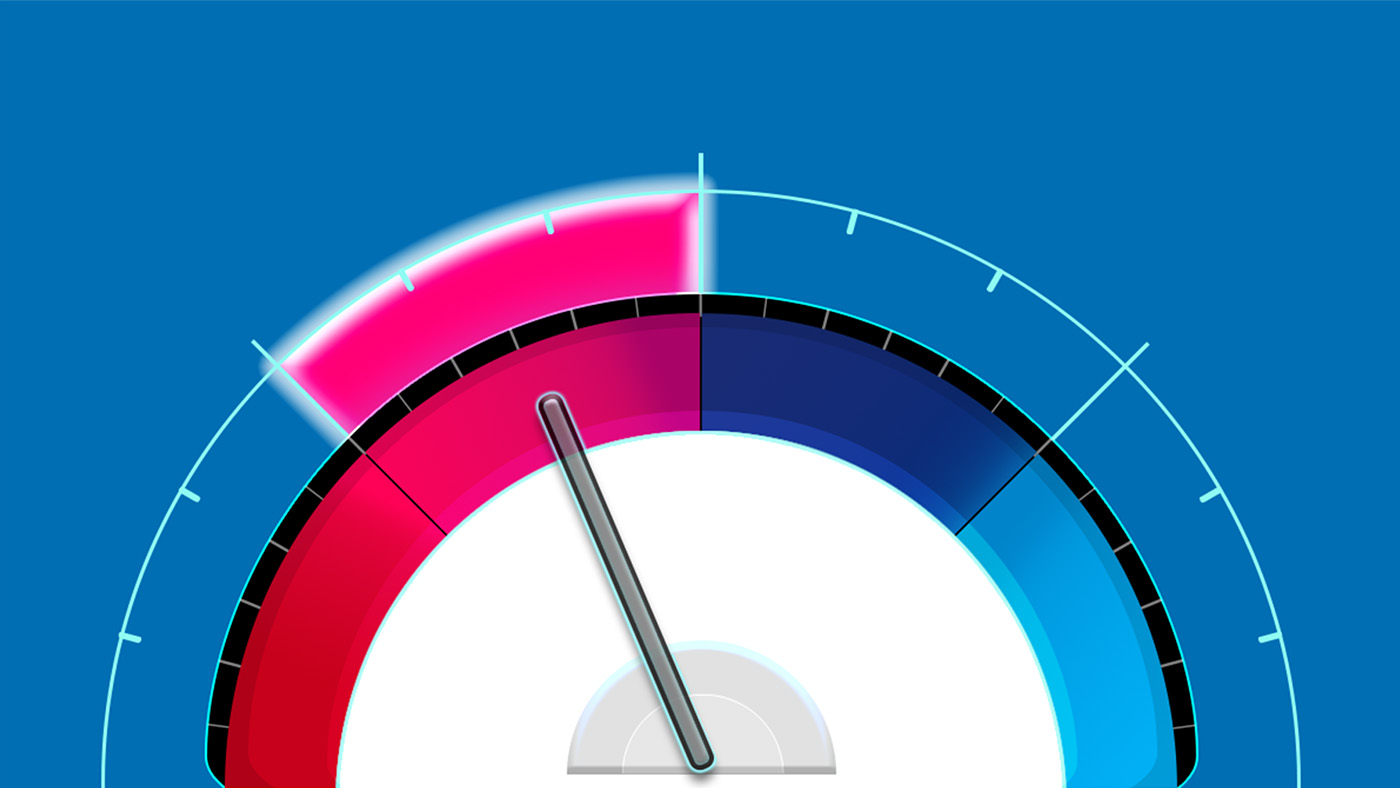
Financial Resilience Score: Financially Vulnerable

What your score means

Your score reflects that you could have trouble recovering from a financial emergency.

Building financial resilience is a journey. You might already be taking steps to improve your resilience, but there could be opportunities for you to boost your savings or adopt new habits.

You can improve your resilience

Your Financial Resilience Score is just a snapshot of how you’re doing at this point in time.

With some planning and work, you can improve your financial health, resilience, and wellness.

Financial health

The ability to balance your financial needs of today with those of tomorrow because of choices and behaviours that move you forward.

Your score indicates that you’re working toward balancing your spending and saving.

Things you can do:

  • Review your budget; are there any areas where you can find savings?
  • Boost your savings habit – even a few extra dollars a month can add up over time
  • Be specific about your savings goals — saving for something like retirement or a down payment can help clarify what your savings plans should be

Here are some resources to help you get started:

Have you opened an RRSP or TFSA? A TFSA lets you save tax-free, while an RRSP can build retirement savings while reducing taxes — and you can set up small, regular contributions for easy growth.

Learn more about saving with a TFSA

Learn more about saving for retirement with an RRSP

Financial resilience

The ability to bounce back from financial hardship, stressors and shocks resulting from unplanned life events, while progressing towards your goals.

Your score indicates that you might need some help with saving for an unexpected event.

Things you can do:

  • Review your current insurance for any gaps
  • Consider setting aside a larger amount of savings toward an emergency fund
  • Think about your support network; do you have anyone you could turn to in tough times?
  • Consider how you’re protecting yourself from fraud — is your online activity secure?

Here are some resources to help you get started:

Reviewing your home insurance policy can make sure you have the right protection when you need it, and that you’re taking advantage of any savings available to you.

Learn more about saving on home insurance

Financial wellness

Your emotional peace of mind in terms of your financial situation and current and future financial obligations. The opposite is financial stress.

Your score indicates that you might need some help lessening your stress around money.

Things you can do:

  • Reach out to a friend — talking about your worries with someone can help
  • Take care of yourself: sleeping well, eating healthy meals, or even taking a step outside can help improve your mood
  • Think about what causes you the most financial stress and any action you could take, however small, to work toward resolving it

Here are some resources to help you get started:

If you don’t already have one, a life insurance policy can also help provide you with peace of mind.

Learn more about life insurance

Want to make a plan to build your financial resilience?

Your financial representative can help.

Not a Co-operators client yet? Find a local financial representative — our experts can look through your current financial picture and create a plan that fits your life.

The individual financial resilience score tool is derived from, based upon, and powered by the Financial Resilience Society’s proprietary Index Model and the Seymour Financial Resilience Index and is licensed to The Co-operators Group Limited.

Seymour Financial Resilience Index® is a trademark used under license by the Financial Resilience Society.

The contents herein are copyright Financial Resilience Society and used by The Co-operators Group Limited under license. All rights reserved.