
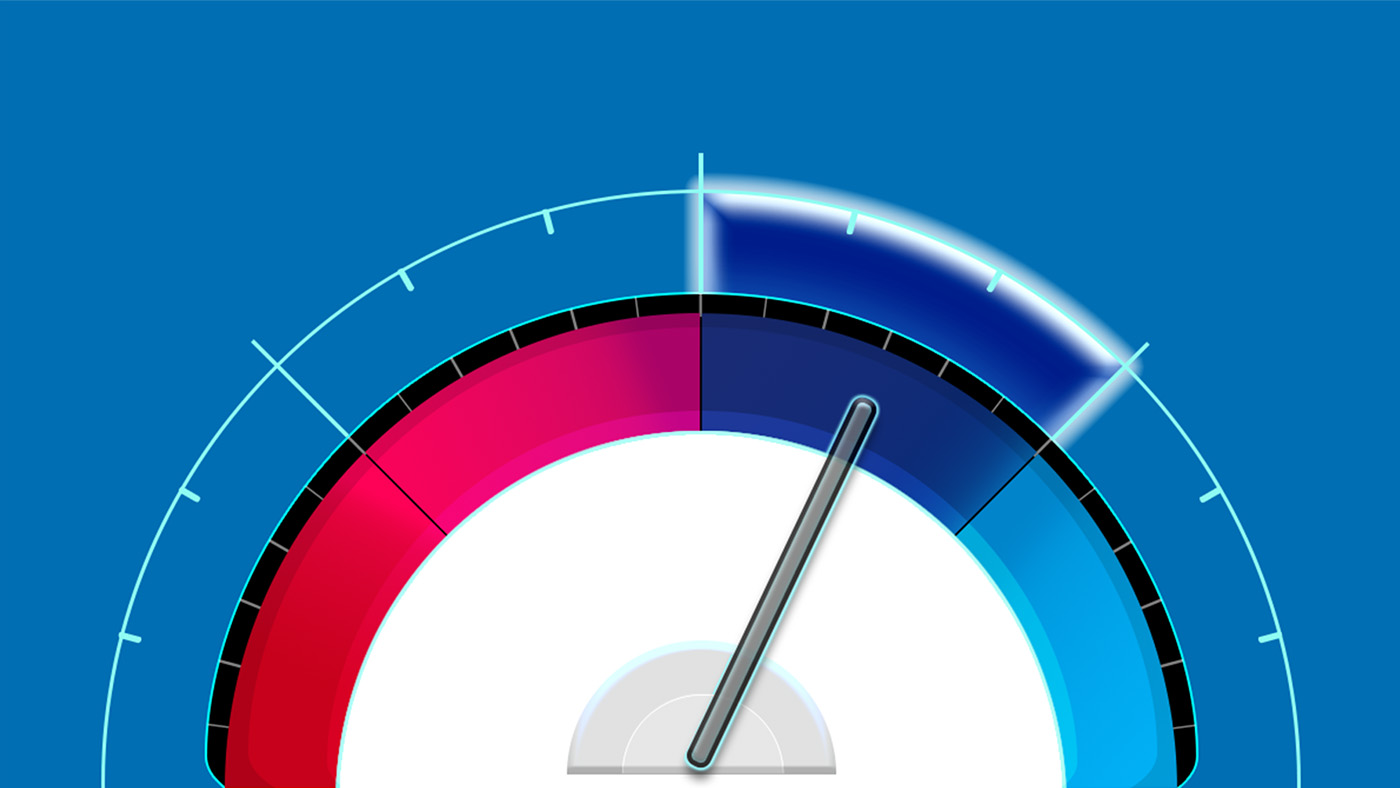
The Financial Resilience Score, designed by the Financial Resilience Institute, is defined and measured as “a household’s ability to get through financial hardship, stressors or shocks as a result of unplanned life events.”
Score results can fall under four categories:
Extremely Vulnerable: Households that are most vulnerable and potentially unable to survive financial stressors or shocks.
Financially Vulnerable: Households that are vulnerable to large financial stressors or shocks, but subsisting under normal conditions.
Approaching Resilience: Households that are building their financial resilience in the absence of financial shocks.
Financially Resilient: Households that can endure financial shocks with little effect to their overall financial resilience.
Calculating your score is done by looking at nine key indicators across three major categories:
Financial health: The ability to balance the needs of today with those of tomorrow, as a result of decisions and behaviours that move you forward.
- Debt management composite
- Planning ahead financially for upcoming an unexpected expenses or saving for long-term goals
- Changes in household financial situations over the past 12 months
Financial resilience: The ability to get through financial stressors, shocks and financial hardship as a result of unplanned life events.
- Social capital: close supports who can provide help in hard times
- Liquid savings buffers
- Self-reported credit score
Financial wellness: Emotional peace of mind in terms of financial situation, and current and future financial obligations. The opposite is financial stress.
- Confidence in ability meet short-term savings goals
- Financial stress composite
- Financial stress over current and future financial obligations
For more details, visit the Financial Resilience Institute.


